Online Slots Not on GamStop: What the Label Means
 Available in GB

The label describes a casino’s position outside GamStop, not a special type of game or a guarantee of safety.
Table of Contents
- What “Not on GamStop” Means for Online Slots
- Mobile Slot Sites: Access Is Not the Same as Protection
- Why Some Slot Sites Are Not Registered with GamStop
- New Non-GamStop Slots: What You Can—and Can’t—Verify
- No-Deposit Bonuses: Check the Terms Before the Spins
- Assessing Non-GamStop Slot Sites by Licence and Safeguards
- Pragmatic Play Searches and the £10 Deposit Question
- Free Spins and Bonus Wagering on Non-GamStop Sites
- How GamStop Exclusion Applies—and Why Bypassing It Is Risky
- Playing Without GamStop: Limits, Time-Outs and Support
- Safety
What “Not on GamStop” Means for Online Slots
“Slots not on GamStop” does not describe a separate kind of game. It is a label for slots found on casino sites that sit outside GamStop’s UK Gambling Commission (UKGC) framework. The game itself may look familiar; the important difference is the operator’s regulatory position, not a special set of reels or rules attached to the slot.
GamStop applies to casinos within the UKGC’s jurisdiction. A casino operating outside that framework does not become part of it simply because its site is accessible to someone in Britain, or because its games resemble those on a UK-licensed casino. The wording describes where a site stands in relation to the exclusion scheme. It does not certify the games or the casino.
The game and the site are separate questions
When you see a reference to an online slot, separate two things in your mind: the game and the place offering it. A slot title is a game; the casino is the operator that makes it available for real-money play. The phrase “not on GamStop” refers to the casino’s relationship with the scheme, not to a unique type of slot.
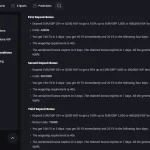
If you’re considering online slots not on GamStop in 2026, check the details that matter to you before choosing where to play. The information available here is limited to stated payout speed, so use it as a narrow reference rather than a full assessment.
1. EvoSpin
Payout speed: 1-3 business days
You can note the stated payout speed of 1–3 business days. No other operator details are provided here.
2. Chanze
Payout speed: 1-3 business days
You can note the stated payout speed of 1–3 business days. No other operator details are provided here.
3. Revery Play
Payout speed: 1-3 business days
You can note the stated payout speed of 1–3 business days. No other operator details are provided here.
4. WinBeast
Payout speed: 1-3 business days
You can note the stated payout speed of 1–3 business days. No other operator details are provided here.
5. NightWin
Payout speed: 1-3 business days
You can note the stated payout speed of 1–3 business days. No other operator details are provided here.
6. Dieselwin
Payout speed: 1-3 business days
You can note the stated payout speed of 1–3 business days. No other operator details are provided here.
7. Britsino
Payout speed: 1-3 business days
You can note the stated payout speed of 1–3 business days. No other operator details are provided here.
8. Amunbet
Payout speed: 1-3 business days
You can note the stated payout speed of 1–3 business days. No other operator details are provided here.
9. SpinFormula
Payout speed: 1-3 business days
You can note the stated payout speed of 1–3 business days. No other operator details are provided here.
10. NightLuck
Payout speed: 1-3 business days
You can note the stated payout speed of 1–3 business days. No other operator details are provided here.
That distinction matters when you encounter terms such as “bonus buy” or a provider’s name alongside “not on GamStop”. Those words may identify a feature or a brand someone is looking for, but they do not establish that a particular casino is within the UKGC system. Nor does a familiar game label tell you which regulator, if any, oversees the operator. The site’s status is the criterion that matters here.
A useful comparison is:
| What you are looking at | What it tells you |
|---|---|
| A slot title or game feature | What kind of game or play feature is being described |
| “Not on GamStop” | That the casino is outside GamStop’s UKGC-based framework |
| A licence from outside Great Britain | That the casino may be licensed in another jurisdiction; it does not replace a UKGC licence for serving the British market |
The final row is the one people can miss. An overseas licence and a UKGC licence are not interchangeable credentials.
An overseas licence does not authorise UK-facing service
UK players may gamble at online casinos licensed outside Great Britain. That does not mean a foreign licence gives an operator permission to offer online gambling to UK residents. Operators serving residents in Great Britain must hold the relevant UKGC licence. If a casino offers its services to UK residents without one, the operator is acting illegally.
This is a distinction between the player and the operator. The statement that an operator is acting illegally does not mean that the player is committing a crime by accessing the site. But it does mean that “licensed somewhere” is not the same as “licensed to serve the British market”. A licence issued elsewhere may be relevant to the operator’s status in that jurisdiction; it does not bring the casino under UKGC rules or GamStop.
Non-UK Registered Casinos: Licences and Risks
So, if you are assessing a site described as offering online slots not on GamStop, do not treat the phrase as a quality mark. It says neither that the casino is suitable for you nor that its games have a particular feature. It identifies a regulatory boundary: the operator is outside the UKGC framework, where the UK’s GamStop arrangement applies. Non-GamStop casinos may also lack protections that UKGC-licensed operators are required to provide. Different framework, different safeguards.
Read the label narrowly
A search for slots on a site not connected to GamStop can easily blur the game with the operator. Keep the two questions apart:
- What game or feature is being described?
- Is the casino licensed by the UKGC to serve customers in Great Britain?
The first question is about the slot. The second is about whether the operator is authorised for the market. A provider name, a familiar-looking game page, or an overseas licence cannot answer the second question on its own. The relevant point is the operator’s UKGC status.
This is also why “not on GamStop” should not be read as a promise of unrestricted access or as a recommendation. It describes a casino outside a UK self-exclusion framework; it does not change the legal requirement for operators serving British customers. Where an operator lacks the required UKGC licence, its offer to UK residents is not authorised, even if the site can be reached and presents itself as licensed elsewhere.
For the same reason, “UK slots not on GamStop” is an imprecise way to describe the situation. The games are not made British by being played from Britain, and the casino is not brought under UKGC oversight by accepting a UK visitor. The clearest description is that the slots are being offered through a casino outside the UKGC framework. That is the defining point—not the game’s theme, provider, or format.
Non-GamStop casinos may lack the mandatory protections that UKGC-licensed operators are required to provide.
Keep the comparison simple: game characteristics tell you what is on screen; regulatory status tells you who is responsible for offering it in the market. Here, the second criterion is decisive. A familiar slot can still be hosted by an operator that is not authorised to serve UK residents. Familiar game. Different rules.
Mobile Slot Sites: Access Is Not the Same as Protection
A slot site opening on your phone tells you about its website, not its regulatory status. A mobile browser, a home-screen shortcut or an app can make a casino easy to reach; none of these puts it under the UK Gambling Commission (UKGC), or connects it to GamStop. The screen may look familiar. The protections may not be.
This distinction matters when you encounter mobile slot sites that are not on GamStop. A site can accept a connection from a UK phone while operating outside the UKGC framework. Non-UK casinos are not required to enforce GamStop registrations because they are not regulated by the Commission. Using a phone does not change that arrangement.
What a mobile layout can—and cannot—tell you
A well-adapted mobile page may display games clearly, fit buttons to a smaller screen and let you move between account pages without using a desktop. Those are usability features. They do not establish that the operator holds the licence required to serve customers in Great Britain, or that it follows UKGC rules.
The comparison is straightforward:
| What you notice on a phone | What it establishes |
|---|---|
| Pages fit the screen | The site is designed to display on that device |
| An app or shortcut is available | The operator provides a way to access its service |
| A game loads and runs | The game is technically accessible |
| A GamStop exclusion is not recognised | The casino may be outside the UKGC system; it is not evidence of added protection |
That last point is not a feature to rely on. If you have excluded yourself through GamStop, an overseas casino’s failure to apply that exclusion is a gap in protection, not a safe alternative. A mobile site cannot make that risk smaller.
UK access does not make an operator authorised
In Great Britain, remote operators offering gambling to local customers must hold the relevant UKGC licence. A casino without that licence is not authorised to serve the British market, even if its pages load successfully on a UK device. The law’s focus is the operator and the service it offers—not whether you connect through a phone or computer.
For you as a player, using a site that is not on GamStop is not itself a criminal offence. That does not mean the site has the consumer protections attached to a UKGC licence. The distinction is important: personal criminal liability and the operator’s regulatory status are separate questions.
Regulatory Status
If you have excluded yourself through GamStop, an overseas casino’s failure to apply that exclusion is a gap in protection, not a safe alternative.
On a mobile screen, those differences can be hard to spot. A licence statement in a footer, a polished design or an app-store-style icon should not be treated as proof of UKGC authorisation. Nor does a site’s ability to accept a UK connection show that it is legally entitled to offer gambling here. Access is not authorisation.
The protection gap travels with the site
A UKGC-licensed casino is subject to the Commission’s requirements. A casino operating outside that framework may not provide the same mandatory safeguards or routes for resolving a complaint. Its own tools and policies, if offered, do not turn it into a UKGC-licensed operator.
That gap follows you onto a phone. A mobile interface cannot ensure that an exclusion will be honoured, supply UKGC oversight, or guarantee that a dispute will be handled through UK regulatory channels. You may also find that UK-based gambling support services cannot assist users of a site outside the British system. Check what support is actually available before sharing personal details or depositing money.
A small screen can make it easier to overlook terms, account controls and licence information. Take time to read the operator’s details rather than judging by how smoothly the games load. If the licensing position is unclear, the mobile experience does not resolve the uncertainty.
UK Online Casinos With No Sister Sites: What It Means · Non-Gamban Casinos in the UK: What to Know
Mobile play still has practical risks
A phone is always within reach, which can make it easier to return to a gambling account without pausing to reconsider. Notifications, saved login details and a shortcut on the home screen are access conveniences, not safeguards. If you are using self-exclusion to stop gambling, do not treat a casino beyond its reach as a substitute for that protection.
Be cautious with payment methods too. Cryptocurrency transfers are irreversible; a mistaken wallet address can mean a permanent loss of funds. A mobile screen is no place to rush through a payment destination.
For slots legally offered in Britain, autoplay is prohibited and each spin must last at least two and a half seconds. Those rules do not make an unlicensed casino compliant merely because its games appear on a UK phone. The device is neutral. The operator’s status is not.
Why Some Slot Sites Are Not Registered with GamStop
A slot game is not registered with GamStop; the casino operating it is the relevant party. GamStop is a self-exclusion service tied to the UK Gambling Commission’s licensing system. Operators holding a UKGC licence must take part, so their customers can use GamStop to exclude themselves from those gambling sites.
A casino licensed by a regulator outside the UK sits outside that requirement. Its own licensing authority may have different rules, but it does not become part of GamStop simply because it offers online slots to people who can reach its website. That is the basic reason you may encounter slot sites without GamStop: their operator is not licensed by the UKGC.
A casino is not registered with GamStop if its operator is not licensed by the UKGC.
The distinction is about regulation, not about the games themselves. A familiar-looking slot does not indicate whether the casino hosting it participates in GamStop. Nor does the website’s mobile layout, payment menu or use of the word “international”. The relevant question is which regulator licenses the operator and whether that operator holds the UK licence required to serve the British market.
Registration and permission to serve UK customers are different
There are two separate issues here: whether a casino has joined GamStop, and whether it is allowed to offer remote gambling to customers in Great Britain. GamStop participation follows from UKGC licensing. Separately, operators selling remote gambling services into the British market must hold the appropriate UKGC licence, regardless of where the business is based.
That means a casino may be outside GamStop because it has a foreign licence, but that fact does not make it authorised to serve UK customers. An overseas licence and UKGC permission are not interchangeable. A site can be legally licensed in its own jurisdiction and still lack the licence required to operate in the British market.
Non-UK-Regulated Casinos: Rules for UK Players
This is why “slots not registered with GamStop UK” can be an imprecise description. The slots are not individually signed up to the service. The phrase usually points to a casino whose operator does not participate, because it is outside the UKGC system. That explains the registration status; it does not certify the casino’s standing under UK law.
Why the distinction matters
When you see a casino described as not on GamStop, do not read the label as a quality mark or a recommendation. It describes a relationship with a self-exclusion scheme, not the safety, fairness or legality of a site. The reason for non-participation may be simple: the operator is licensed elsewhere and is not subject to the UKGC’s participation requirement.
For a British customer, however, the operator’s location does not remove the UK licensing rule. A remote gambling business offering services to customers in Great Britain needs a UKGC licence. A foreign licence alone does not satisfy that requirement. The operator’s legal position and the player’s ability to access a website are separate matters.
So, if you come across online slots not registered with GamStop, read the wording as a description of the casino’s regulatory connection—not as evidence that the site is an acceptable way to play. In particular, it should not be treated as an invitation to get around an active self-exclusion. GamStop exists to block registered users from participating UKGC-licensed operators; choosing a site outside that system does not turn the exclusion into a recommendation to gamble elsewhere.
The practical distinction is narrow but important: UKGC-licensed operators must participate in GamStop, while operators licensed abroad are not obliged by UKGC rules to join it. That difference explains why some slot sites are absent from the scheme. It does not erase the separate requirement for operators serving Great Britain to hold a UKGC licence. A registration gap is not a permission slip.
Regulatory Gap
A registration gap in GamStop is not a permission slip for an operator to legally serve the British market.
New Non-GamStop Slots: What You Can—and Can’t—Verify
A “new” label describes a game’s claimed release status, not its regulatory standing. A slot does not become a separate kind of game because it appears at a casino not on GamStop. The label also cannot establish that a title is genuinely recent, available to you, or covered by a particular regulator. Those are separate claims, and each needs evidence.
When a casino advertises a fresh catalogue, check what the claim actually refers to. Is it a newly released title, or simply a game newly added to that casino’s own selection? Does the operator identify the game provider and give a precise title, rather than using a broad “new slots” banner? If those details are absent, you have little basis for checking the claim independently. A list of games on a site is not, by itself, proof that every title is new or that the casino has authority to offer it to UK customers.
The same distinction matters when judging whether a slot is “safe”. A game title cannot show that the casino holding it has the protections associated with a UK Gambling Commission licence. Nor does a casino’s promotional wording establish that its licensing claims are accurate. Some casinos outside the UK may be licensed in places such as Malta, Gibraltar or Curacao, but a licence from a less established authority may offer less protection than a UKGC licence. The regulator’s name is a starting point for checking, not a substitute for understanding the limits of that licence.
Casinos That Bypass GamStop: What to Know
For players in Great Britain, the legal point is decisive: remote gambling operators serving the market must hold the relevant UKGC licence. A foreign licence does not replace it. Playing at a site not on GamStop is not a criminal offence for the player, but such a site does not provide the consumer protections associated with a UKGC-licensed casino. That is a meaningful difference, not a footnote.
So, when comparing newly advertised titles, keep the criteria separate: title identity, evidence for the “new” claim, and the operator’s regulatory status. A casino may make one of those points clear while leaving the others uncertain. Do not let an attractive game page stand in for evidence about the company behind it, and do not treat a foreign licence as proof of UK authorisation.
There is no reliable “top” list implied by the word “new”: a ranking needs a stated criterion, and a changing catalogue is not a measure of consumer protection. If you cannot establish what the title is or what the operator is authorised to do, the sensible conclusion is that those details remain unverified. A glossy label proves very little.
No-Deposit Bonuses: Check the Terms Before the Spins
A no-deposit bonus can sound simple: receive bonus credit or spins without paying in first. The label does not tell you whether winnings can be withdrawn, what play is required first, or which restrictions apply. Treat the offer as a set of conditions to inspect, not as cash that is automatically yours.
That distinction matters when comparing slots not on GamStop no-deposit bonuses. Casinos not on GamStop operate outside the UK Gambling Commission’s regulatory framework and may lack mandatory consumer protections. Operators offering gambling services to UK residents without a UKGC licence are acting illegally. A promotion is not a reason to sidestep an active GamStop exclusion; its terms do nothing to reduce that risk.
Do
- Find the wagering requirement
- Check game contribution rates
- Record the withdrawal cap
Don’t
- Assume a “free” offer is unrestricted
- Use bonuses to bypass self-exclusion
- Ignore the completion deadline
Put the wagering rule in the table
Start by finding the wagering requirement and checking exactly what it applies to: the bonus, winnings, or both. A specialist gambling review gives a broad comparison point of around 30x to 40x for wagering requirements and describes figures above 50x as generally predatory. Treat that as a review’s assessment, not a universal rule. The operator’s own terms determine the requirement for a particular offer.
Then check which games count and how much each contributes. Slots may count differently from other games; table games can contribute less towards wagering or nothing at all. A requirement that looks manageable on its headline may take considerably more play if the games you intend to use contribute only a small share. The contribution table is the useful column.
Find the restrictions before accepting
Bonus terms may set a maximum bet while wagering is in progress. They may also impose a deadline for completing the requirement and a cap on withdrawals from bonus winnings. A specialist gambling review identifies these as conditions that can appear in offers, but the precise rules depend on the promotion. Check the terms for the specific offer rather than assuming another bonus works the same way.
Record each condition before you opt in: the wagering basis, game contribution, permitted stake, completion deadline and withdrawal cap. If a term is unclear, ask the operator to explain it in writing before accepting. If the promotion does not make the restrictions easy to locate, that is a reason to pause, not to treat the missing detail as favourable.
Online Casino Malta MGA Licence: UK Rules · Merkur Casino Online UK: Games and Site Checks
The same checks apply if an offer is described as free spins or as a welcome bonus. “Free” describes how the promotion is presented; it does not mean winnings are unrestricted or immediately withdrawable. Compare the conditions, not the headline.
If you are already self-excluded, do not use a no-deposit offer to get around that decision. GamStop exclusion cannot be shortened or cancelled before the selected period ends. The bonus is optional. The exclusion is not.
Assessing Non-GamStop Slot Sites by Licence and Safeguards
A comparison of casinos not on GamStop should begin with the operator’s legal status, not the size of its slot catalogue or the appearance of its website. A licence issued overseas does not authorise an operator to serve customers in Great Britain. Remote gambling operators offering services to the British market must hold a UK Gambling Commission licence; a casino without one operates outside that framework.
Some non-UK casinos may hold licences from authorities in Malta, Gibraltar or Curacao. Treat that as information to verify, not as proof of protection equivalent to a UKGC licence. Find the regulator’s official register and check that the named company and licence details match the casino’s own claims. If the regulator’s records do not confirm them, the claim has not been verified. A badge in a website footer is not a substitute for a register entry.
Verify Operator Status
- Check for a valid UKGC licence
- Verify the company on the regulator’s official register
- Confirm available safer-gambling controls
- Identify accessible support channels
Then compare what the licence actually means for you. The key distinction is whether the operator is subject to UKGC requirements and oversight. Casinos outside that system do not provide the consumer protections associated with a UKGC licence. A foreign licence may involve its own rules, but it does not bring the operator under British regulation. Different framework, different safeguards.
You can also review the casino’s own account and safer-gambling controls, such as whether it describes ways to set limits or pause play. Treat these as operator-provided features unless you have confirmed that the relevant regulator requires them. Their presence does not make a site equivalent to a UK-licensed casino, and their absence should weigh against it. A polished interface is not a safeguard.
Support access belongs in the comparison too. UK-based help services may not be available to people using casinos outside the UKGC system. Before depositing, check which support channels the operator provides and whether you can access independent help in the UK. Do not assume that a familiar payment method, English-language site or UK-facing promotion means UK protections apply.
For a useful comparison, record the regulator, the official-register result, whether the operator holds a UKGC licence, and what safeguards and support are actually available. This gives you a clearer basis for judging claims about new sites or bonus offers than a “best” label does. The winner depends on your criterion; where UK regulatory protection matters, an overseas licence is not a replacement.
Playing at a non-GamStop site is not itself a criminal offence for a player. That does not change the operator’s position: offering remote gambling to people in Great Britain without the required UKGC licence is not lawful. The distinction is important. No ranking can erase it.
Non-GamStop European Casinos: UK Rules Explained
Pragmatic Play Searches and the £10 Deposit Question
A casino’s game catalogue and its entry price are separate checks. Seeing Pragmatic Play listed may tell you which provider’s games the operator claims to offer; it does not establish that the casino is suitable for you, that the catalogue is current, or that the operator holds the licence required to serve Great Britain.
The same applies when you are comparing Microgaming or Evolution titles. A provider name is not a regulatory credential. Do not treat a familiar logo as proof that a site has been approved by the UK Gambling Commission (UKGC), or that you will receive the protections attached to a UKGC licence.
What a £10 minimum does—and does not—tell you
A stated £10 deposit is a payment threshold, not a safety measure. It says nothing by itself about the operator’s licensing status, how withdrawals are handled, or what safeguards apply. The lower the advertised entry point, the more important it is to separate the amount you can deposit from the conditions and risks attached to gambling there.
For customers in Great Britain, remote operators offering gambling must hold the relevant UKGC licence. A casino serving those customers without one is operating outside the UK framework; the player is not committing a criminal offence merely by playing, but the site does not provide the consumer protections associated with a UKGC-licensed operator. Familiar games do not change that.
Non-GamStop casinos also sit outside the UKGC system, so its mandatory protections do not apply to them. UK-based support services may not be available if you use such a site. A provider catalogue cannot compensate for either limitation.
A provider name or a minimum deposit amount is not a regulatory credential and does not prove UKGC authorisation.
Before relying on a game-provider label or a deposit figure, check the operator’s identity and whether it is authorised to serve Great Britain. Confirm licence details using the regulator’s official records rather than relying on a logo or a claim on the casino’s own pages. If you cannot verify the operator’s status, neither the game selection nor the deposit threshold answers the important question.
The winner depends on your criterion: a provider name may matter when comparing games, while a deposit minimum matters when comparing payment entry points. Neither is a substitute for UKGC authorisation. Familiar branding, different framework.
Free Spins and Bonus Wagering on Non-GamStop Sites
Free spins can look straightforward: a set of spins is offered, and any resulting winnings may be subject to bonus rules. The important distinction is whether those winnings are withdrawable immediately or must first meet stated wagering conditions. Read the promotion’s terms before accepting it; the word “free” does not settle what you can keep.
For online slots outside GamStop, check how wagering is calculated. The terms may require you to play through winnings a specified number of times, and a specialist bonus review cites 30x to 40x as an industry range, while describing requirements above 50x as generally predatory. Treat those figures as a comparison point, not a guarantee about any offer. The actual requirement for a promotion is the one in its own terms.
Also check whether the spins apply to named games only and how much each game contributes towards wagering. Slots may count differently from other casino games; table games can contribute less or not at all. If the eligible games are unclear, you cannot reliably estimate how much play the requirement entails.
Offshore Casinos for UK Players: What to Check
Bonus rules may impose a maximum bet while wagering is active, a deadline to complete it, or a cap on withdrawals from bonus winnings. These conditions change the practical value of an offer. A short deadline can make a seemingly generous spin package difficult to use, while a withdrawal cap can limit what you receive even after meeting the requirement. Read each condition together, not as isolated small print.
“GamStop-free slots” describes a search for games at casinos not on GamStop; it does not mean the spins are free of restrictions or that the site is approved for British players. Remote gambling operators serving Great Britain need a UK Gambling Commission licence. A casino without one operates outside the UKGC framework and may lack mandatory consumer protections. The existence of a promotion does not change that status.
If you are using GamStop self-exclusion, do not treat a free-spin offer as a reason to seek another casino. Non-GamStop sites may also leave you without access to UK-based gambling support services. The bonus is secondary; the rules and the protection available matter more.
How GamStop Exclusion Applies—and Why Bypassing It Is Risky
GamStop is linked to the operator, not to an individual slot title. When you register with the service, UK Gambling Commission-licensed gambling businesses must prevent you from using their accounts for gambling during your exclusion. That is why a search for slots that are not blocked by GamStop can be misleading: the relevant distinction is where the casino is licensed, not whether a particular game has a special exclusion setting.
Self-Exclusion Risk
Using a non-GamStop site to bypass an active self-exclusion undermines the barrier you created to stop gambling.
Casinos operating outside the UKGC’s reach do not share their customer data with GamStop and do not apply its exclusions. A person with an active registration may therefore find that an account at such a casino is not blocked by the service. That technical gap is not an endorsement of using another casino to get around self-exclusion.
There is a separate regulatory issue. A remote operator offering gambling to customers in Great Britain must hold the relevant UKGC licence. A casino without that licence is acting illegally if it serves the British market; this does not make the player’s use a criminal offence. But the site sits outside the UKGC framework, so you should not assume the same mandatory consumer safeguards or routes to redress apply. UK-based support services may also be unavailable to people using these casinos.
An exclusion is not a pause button
Choosing self-exclusion is a decision to create distance from gambling. Trying another account elsewhere can undermine that barrier without resolving the reasons you set it up. The fact that a site may accept registration does not make it an appropriate alternative. A technical opening is not protection.
No-Registration Online Casinos in the UK: What to Know
GamStop exclusions cannot be shortened or cancelled before the period you selected has ended. If you are currently excluded, do not treat a casino that does not use GamStop UK as a workaround. Keep the block in place and seek help from a service available to you rather than moving your gambling to an operator outside the UKGC system. This matters especially when you are trying to stop, regain control of spending, or avoid returning to gambling.
The practical comparison is straightforward: GamStop’s restriction applies across participating UKGC-licensed operators; casinos outside that system do not receive its exclusion data. The latter may be accessible, but access is not the same as a safeguard—and it does not cancel your exclusion.
Playing Without GamStop: Limits, Time-Outs and Support
Some casinos not on GamStop may provide tools such as deposit or loss limits, session time limits, reality checks, reminders and their own self-exclusion options. A specialist review reports that these features can be offered voluntarily by non-UK sites; they are not safeguards required by the UK Gambling Commission. Their presence, scope and operation can therefore depend on the individual operator and its regulator.
Casino Safety & Access: Licensing and Verification
Treat each tool as a feature to inspect, not a guarantee of protection. Check whether a limit can be changed straight away, whether a time-out prevents access to the account, and what the operator says happens when you request self-exclusion. A control that is difficult to set or whose effect is unclear may offer little practical help. The comparison criterion is enforceability: a voluntary feature does not carry the same regulatory backing as a UKGC requirement.
The wider distinction matters. Playing at a site without a UKGC licence is not a criminal offence for the player, but such a site does not provide the consumer protections associated with a UKGC licence. Operators offering remote gambling to people in Great Britain must hold the relevant UKGC licence; a foreign licence does not replace it. Limits on a page do not change that status.
Support can be another gap. You may not be able to use UK-based gambling support services through an operator outside the UK framework, and its own help team is not a substitute for independent support. If you are struggling to control gambling, contact an appropriate UK support service directly rather than relying on a casino’s tools.
Most importantly, online slots without GamStop are not a workaround for an active exclusion. If you registered with GamStop because you needed gambling to stop, opening an account elsewhere defeats that protection. The site may offer a time-out, but it does not restore the safeguards attached to your exclusion. Step away from gambling and seek independent help instead.
Is it safe to play at non-GamStop gambling sites?
Not necessarily. Sites outside the UKGC framework do not provide the same required consumer protections as UK-licensed casinos, though some may offer safeguards voluntarily.
Can I reverse a self-exclusion from GamStop early?
No. You cannot shorten or cancel your GamStop exclusion before the period you selected has ended.
What are casinos not on GamStop?
They are casinos outside GamStop’s UKGC-based framework, so they do not enforce GamStop registrations. Some may hold licences from other jurisdictions, but those licences are not a UKGC licence.
How does Gamstop work?
After you register and choose an exclusion period, participating UKGC-licensed gambling establishments must prevent you from gambling with them for that period.
What exactly does GamStop block?
It blocks registered users from gambling at establishments licensed by the UK Gambling Commission that participate in the scheme. It does not apply to casinos outside the UKGC’s jurisdiction.
Is it legal to play in casinos not blocked by Game Stop?
Playing at a non-GamStop casino is not a criminal offence for UK players. However, an operator offering online gambling to UK residents without a UKGC licence is acting illegally.
Are casinos that bypass GamStop illegal for UK players to use?
Using one is not a criminal offence for the player. But a casino offering online gambling to UK residents without a valid UKGC licence is acting illegally.
Safety

Anjouan casino licence in the UK: legal limits
An Anjouan licence applies within its issuing jurisdiction and does not establish permission to serve...

Foreign Casinos for UK Players: Licensing and Checks
An offshore licence does not itself authorise gambling services to customers in Britain; practical checks...

International Casinos for UK Players: Key Checks
A practical look at licensing, payments, bonus conditions, withdrawals and protections that may be missing...

Offshore casino sites for UK players: risks and checks
A practical look at licensing, payment delays, bonus terms, crypto volatility and protections that may...

Offshore Casinos for UK Players: What to Check
A practical framework for assessing licensing status, payment risks, bonus conditions and the protections lost...

British Casinos Not on GamStop: What to Know
GamStop covers participating UKGC-licensed operators, while licensing, safer-gambling tools and bonus conditions answer different questions....

Casino sites not registered with GamStop UK: guide
The guide explains why GamStop does not cover every gambling site and how licensing, bonus...

Casino no ID verification in the UK: how checks work
Registration, deposits, play and withdrawals can involve checks at different stages, so a short sign-up...

No-ID-Verification Withdrawal Casinos in the UK
No-verification labels often describe when checks happen, while cashout speed depends on both approval and...

Casino Without a UK Licence: What It Means
A UK licence and an overseas authorisation are not the same: the regulator responsible for...

Casinos That Bypass GamStop: What to Know
GamStop registration remains in place, but sites outside its reach may not enforce it or...

Curacao Casino Licence UK: What the Label Means
A Curaçao licence refers to a separate regulatory framework, not UK Gambling Commission oversight, with...

Gibraltar Casino Licence and UK Gambling Rules
A Gibraltar base or licence does not by itself establish UKGC oversight; compare the operator’s...

Online Casino Malta MGA Licence: UK Rules
A Malta licence describes authorisation in Malta; service to customers in Great Britain depends on...

Merkur Casino Online UK: Games and Site Checks
Provider labels, game listings and site information can help distinguish a named Merkur collection from...

Trustworthy Online Casinos in the UK: What to Check
A practical guide to licensing, account checks, safer-gambling tools, payment terms and the conditions attached...

No Account Casinos in the UK: What to Check
No-account wording can describe a faster route into play, but it does not establish what...

Non-Gamban Casinos in the UK: What to Know
Gamban is a separate blocking service from GAMSTOP, and a casino’s apparent status does not...

Non-GamStop Curacao Casino Sites: UK Licensing Explained
A Curaçao licence describes an overseas licensing connection; it does not establish UK authorisation to...

Non-GamStop European Casinos: UK Rules Explained
European branding alone does not identify a casino’s licence, self-exclusion coverage or the protections that...

Non-UK Licence Casinos: What the Licence Covers
A licence reflects the rules of its issuing jurisdiction, but does not by itself establish...

Non-UK Registered Casinos: Licences and Risks
The guide separates foreign licensing from UK regulation and outlines practical trade-offs around payments, bonuses,...

Non-UK-Regulated Casinos: Rules for UK Players
UKGC licensing determines whether an operator is regulated to serve Great Britain, while an overseas...

Non-UKGC Licensed Casinos: Rules and Risks
A foreign licence is separate from UKGC oversight, with different implications for checks, self-exclusion, payments...

No-Registration Online Casinos in the UK: What to Know
Browser access can remove the need for an app, but real-money play still requires age...

UK Online Casinos With No Sister Sites: What It Means
Sister-site claims can refer to common ownership or shared core technology, so the label alone...

Safe Online Casinos in the UK: What to Check
A UKGC licence is the legal baseline, not a guarantee of fast withdrawals or trouble-free...

Trusted Casinos Not on GamStop in the UK
UKGC-licensed casinos must participate in GamStop, while sites outside that framework call for closer checks...

Trusted UK Casino: Check Licensing, Terms and Payments
The guide separates UK authorisation from branding, payment options and promotional claims, with checks for...

USA Casinos for UK Players: Rules and Terms
The USA label does not show who regulates a casino; licensing status and payment terms...

VPN-Friendly Casinos in the UK: Rules and Access
A VPN policy can permit connections without guaranteeing registration, uninterrupted access or acceptance of a...